
Subperiosteal Implants: What They Are and When They’re Used
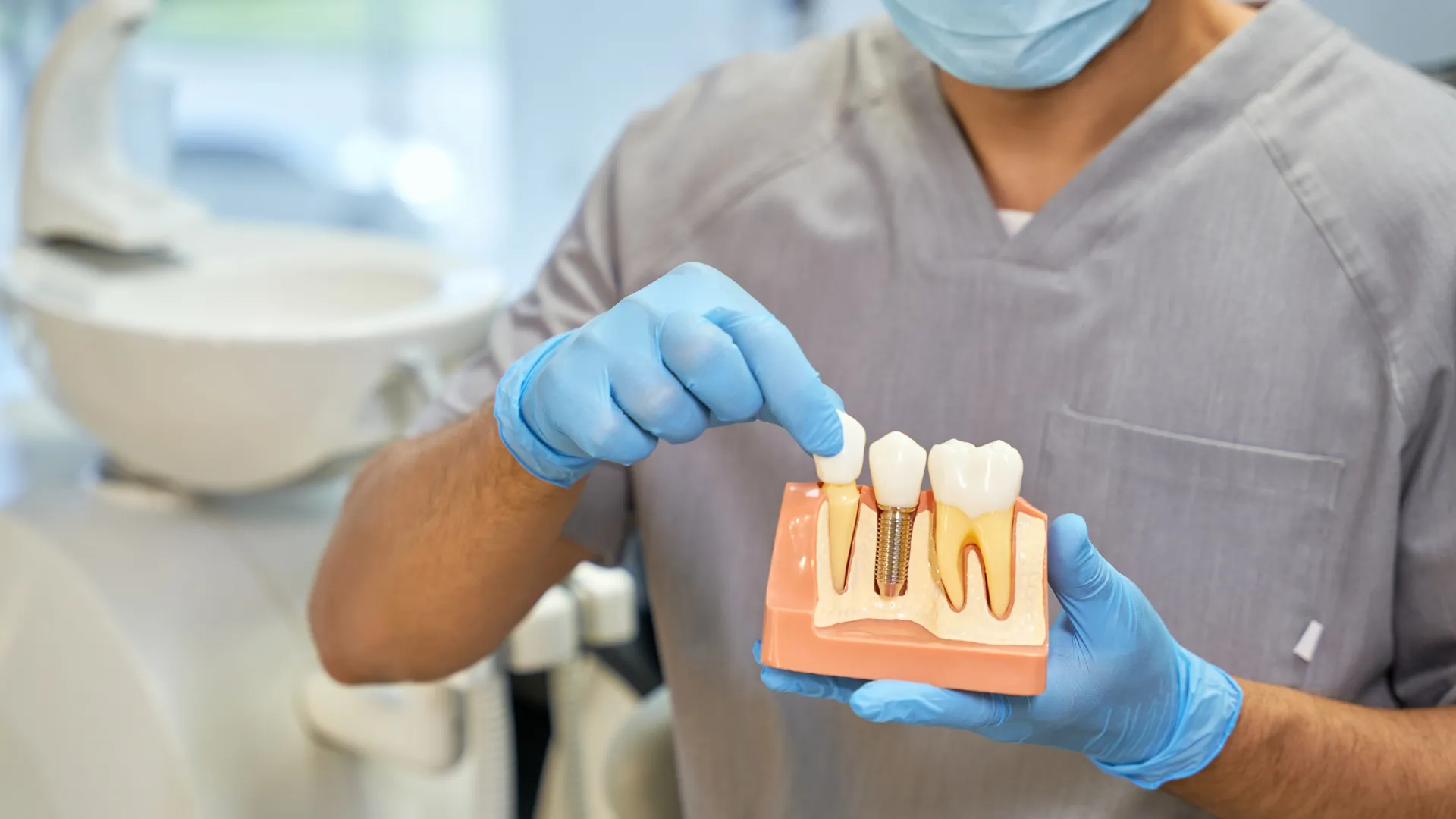
When severe bone loss occurs in the jaw, placing conventional dental implants is not always possible. In these situations, advanced implantology offers alternative solutions designed for complex cases. One of these options is custom subperiosteal implants, a personalized approach adapted to the patient’s anatomy. At AKDENT – Dental Clinic, we explain what they are, when they are used, and why careful planning is essential.
What are custom subperiosteal implants? 🦷
Custom subperiosteal implants are personalized structures placed on top of the jawbone and beneath the gum tissue, rather than inside the bone like conventional implants. They are specifically designed to match the shape of a patient’s jaw, typically using digital planning and custom manufacturing.
In simple terms, when there is not enough bone for traditional implants, a custom-designed framework can be created to support a fixed prosthesis.
When are they used? 👤
This type of implant is usually reserved for complex cases where other solutions are not viable or not the best option for the patient.
- Severe bone loss in the upper or lower jaw.
- Patients who cannot receive conventional dental implants.
- Situations where bone grafting would be highly complex or undesirable.
- Failure of previous implant treatments.
- Need for a fixed prosthetic solution in anatomically challenging cases.
What advantages can they offer? ✅
In well-selected cases, custom subperiosteal implants can provide an alternative for patients with limited bone availability, sometimes avoiding the need for extensive bone grafting procedures.
- Personalized solution adapted to the patient’s anatomy.
- Possibility of fixed prosthetic rehabilitation.
- An option when available bone volume is very limited.
- In some cases, reduced need for complex bone grafting surgeries.
Are they suitable for everyone? ⚠️
No. Custom subperiosteal implants are not a first-line option for every patient. They are considered in specific situations and require strict clinical indication. The success of the treatment depends on careful case selection, precise planning, and proper long-term maintenance.
This is why a specialized evaluation is essential before deciding on this approach.
How is the treatment planned? 🔍
Planning is one of the most important aspects of this treatment. Before recommending it, a comprehensive evaluation is carried out, typically including:
- Clinical examination and assessment of gums and oral tissues.
- 3D imaging to evaluate bone structure and anatomy.
- Digital design of the personalized subperiosteal framework.
- Prosthetic planning: type of fixed restoration and treatment phases.
What care is required afterward? 🧼
As with any advanced implant rehabilitation, maintenance is essential to ensure long-term stability.
- Careful daily oral hygiene.
- Regular follow-up appointments to monitor tissues and prosthesis.
- Professional cleanings according to the recommended schedule.
- Avoid habits that overload the bite, especially if bruxism is present.
Frequently asked questions 🗣️
Are they the same as conventional implants?
No. The main difference is that they are not inserted into the bone but placed over it and beneath the gums, with a fully customized design.
Do they always replace bone grafts?
Not necessarily. The decision depends on the patient’s anatomy, general health, and treatment goals.
Do they allow fixed teeth?
Yes, in most cases the goal is to provide a fixed prosthetic solution when the situation allows it.
How we evaluate it at AKDENT 🦷
At AKDENT – Dental Clinic, every patient is assessed individually to determine the safest and most predictable treatment option. When bone availability is limited, we evaluate whether the patient may benefit from conventional implants, bone grafting, zygomatic implants, or custom subperiosteal implants, always aiming to find the best solution for their specific situation.
- Comprehensive diagnosis and digital planning.
- Evaluation of bone, gums, and prosthetic function.
- Follow-up focused on long-term stability and durability.
Conclusion: an advanced option for complex anatomy 🦷✨
Custom subperiosteal implants represent an advanced solution for patients with severe bone loss where other options may not be viable. These treatments are highly personalized and require accurate diagnosis, planning, and experience. At AKDENT, we carefully evaluate your case to help you choose the safest and most suitable treatment.
If you have been told you don’t have enough bone for implants, book an appointment at AKDENT and we will review all available options with you.


