
Dental Emergencies: What to Do in Case of Pain or Dental Accident
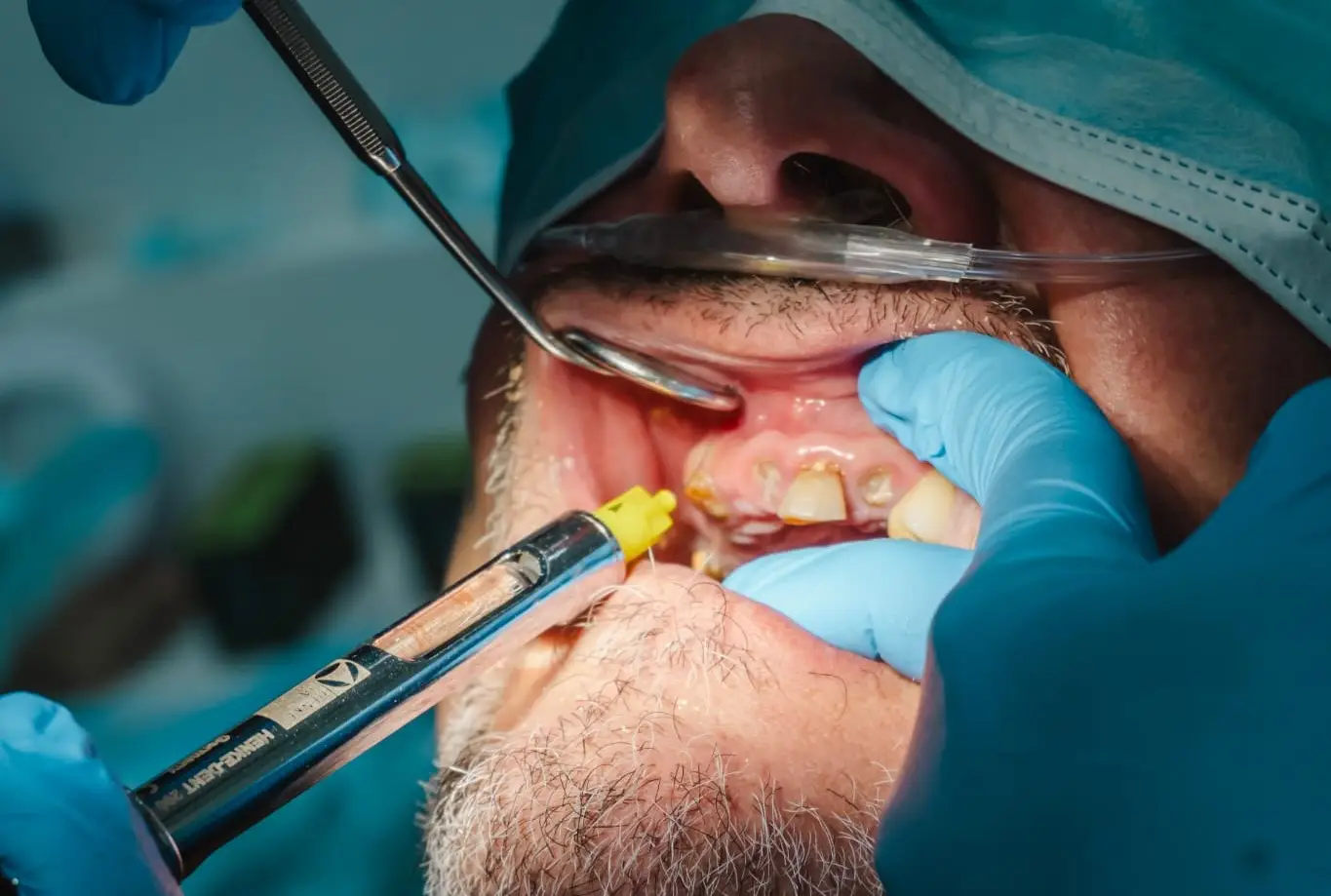
Dental emergencies can happen at any time and cause great anxiety. Knowing how to act quickly can make the difference between saving a tooth or suffering more serious consequences. At AKDENT – Dental Clinic, we offer you a complete guide to be prepared for any pain or dental accident.
What is a Dental Emergency? 🚨
A dental emergency is any situation that requires immediate attention to prevent damage, intense pain, or serious complications. Common examples include:
- Severe and persistent toothache.
- Trauma or fractures of teeth.
- Infections with swelling and fever.
- Loss of a dental prosthesis or implant.
- Excessive bleeding after an extraction or injury.
What to Do in Case of Severe Tooth Pain? ⚡
Severe tooth pain can be a symptom of deep decay, abscess, or nerve inflammation. To relieve it while waiting for professional care, follow these tips:
- Rinse your mouth with warm water to clean the area.
- Use dental floss gently to remove food debris.
- Take common pain relievers such as ibuprofen or acetaminophen as directed.
- Avoid very hot, cold, or sweet foods that may intensify the pain.
- Apply cold compresses to the cheek to reduce inflammation.
How to Act in Case of Dental Fracture or Trauma? 🦷
In case of a strong blow causing tooth fracture or displacement, it is essential to act quickly to preserve the tooth or reduce further damage:
- If the tooth has fallen out, pick it up by holding the crown (visible part), avoiding touching the root.
- Rinse the tooth with warm water without scrubbing or using soap.
- Try to reposition the tooth in its socket if you feel able, but without excessive force.
- If not possible, keep the tooth in milk, saline solution, or saliva to keep it hydrated.
- Go to the dentist urgently, preferably within the first hour after the accident.
What to Do in Case of a Dental Infection? 🔥
Dental infections can manifest with intense pain, swelling, fever, and general discomfort. They should not be ignored as they can spread and complicate overall health:
- Consult the dentist immediately to receive antibiotic treatment and proper cleaning.
- Avoid self-medicating without professional supervision.
- Apply cold locally to reduce inflammation and pain.
- Maintain good oral hygiene to prevent the infection from worsening.
Loss or Damage to Prostheses and Implants: What to Do? ⚙️
If a crown, bridge, or implant falls off or shows problems, follow these steps:
- Keep the fallen piece and bring it with you to the appointment.
- Do not try to repair the prosthesis by yourself.
- If there is pain or swelling, use pain relievers and cold compresses.
- Go to the dentist as soon as possible for evaluation and repair.
Prevention and Care to Avoid Dental Emergencies 🛡️
The best way to avoid dental emergencies is to maintain good oral health with habits and regular check-ups:
- Visit the dentist at least twice a year for check-ups and cleanings.
- Maintain rigorous oral hygiene: brushing, flossing, and rinsing.
- Avoid very hard or sticky foods that can damage teeth or prostheses.
- Use mouthguards if you practice contact sports.
- Control chronic diseases that may affect your dental health.


